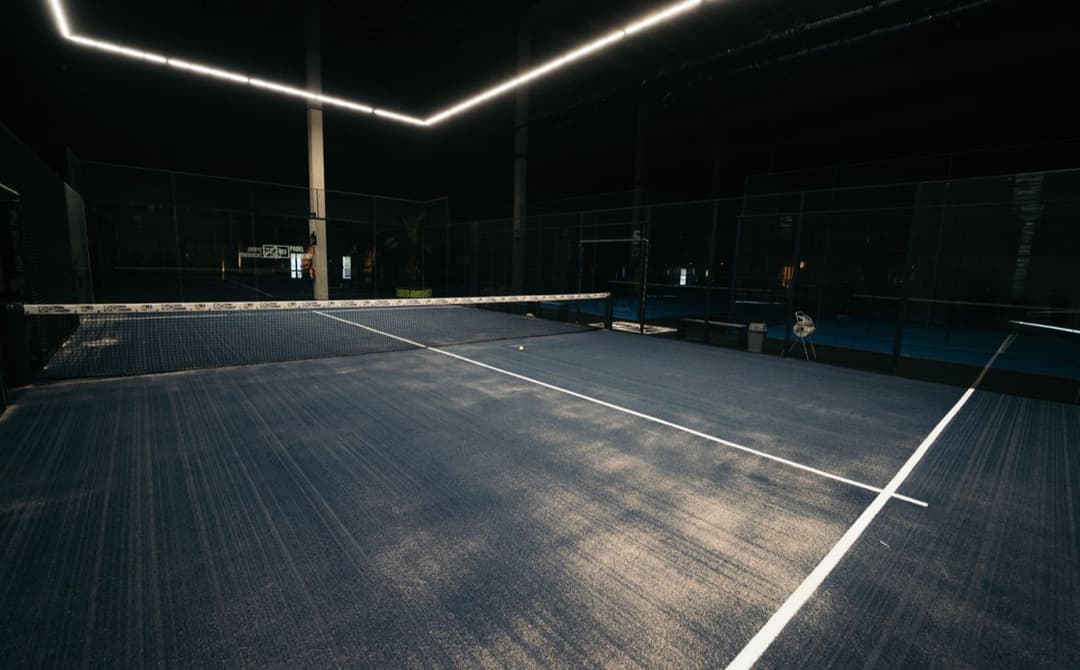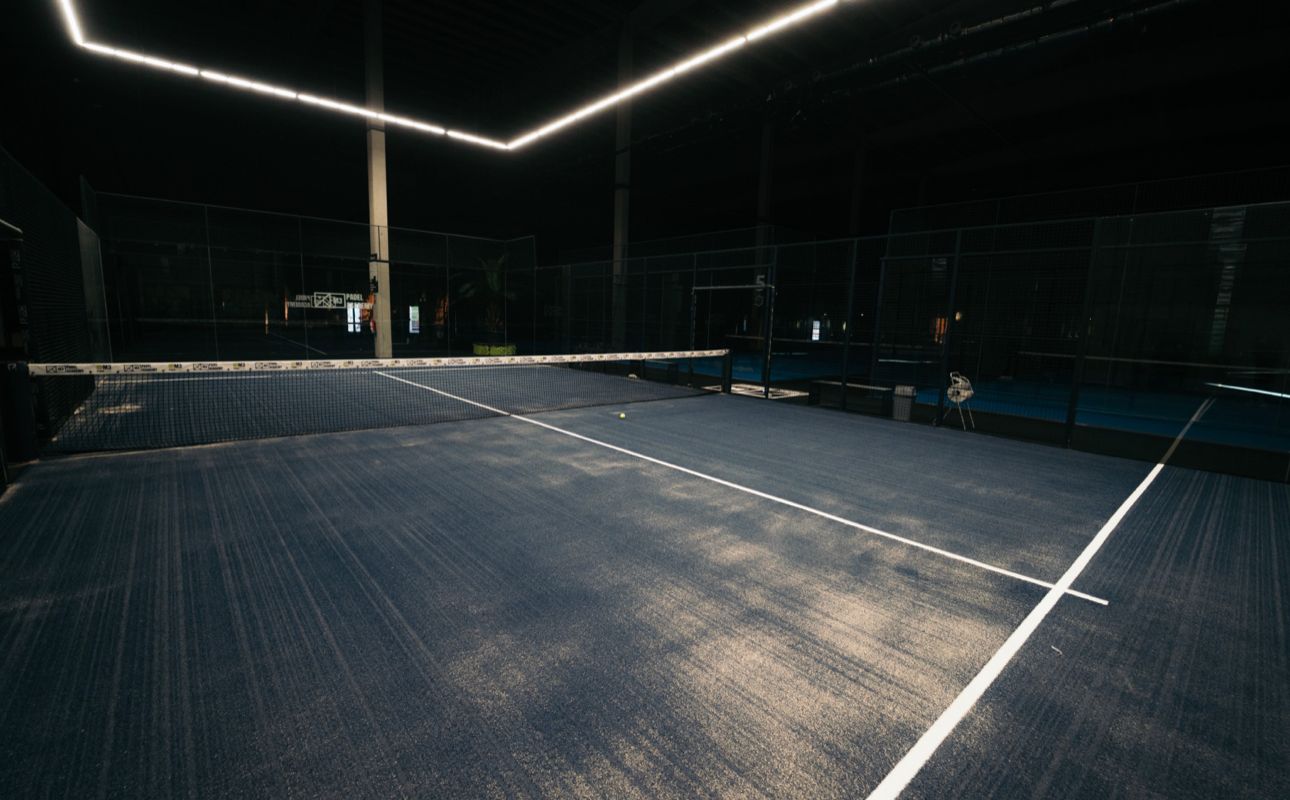
Today, modern padel cannot be understood without artificial turf as the playing surface. Its influence is so decisive that it has conditioned the design of shoes and rackets, transformed playing styles, and modified players’ techniques.
But it was not always this way.
To understand where padel is heading, we must first understand where it comes from.
From Concrete Slabs to Artificial Turf
There is no exact record of when the first artificial turf padel court was installed, but we can place it at the end of the 20th century, before the year 2000. At Padel Tech, we started in 2008, and at that time all our installations already incorporated turf. Before turf, courts were built on semi-polished and painted concrete slabs. In Argentina, for example, this system was widely used. In Spain, on the other hand, porous or draining pavements were applied, which today remain the best base option for outdoor courts beneath the turf. The first padel turfs came from tennis, its “older brother,” where different playing surfaces already coexisted: clay, fast resin-based surfaces, and artificial turf. Those early models consisted of fibrillated fibers with an 18 mm height, requiring a significant amount of sand to ensure proper ball bounce.
The Importance of Sand: An Invisible but Essential Element
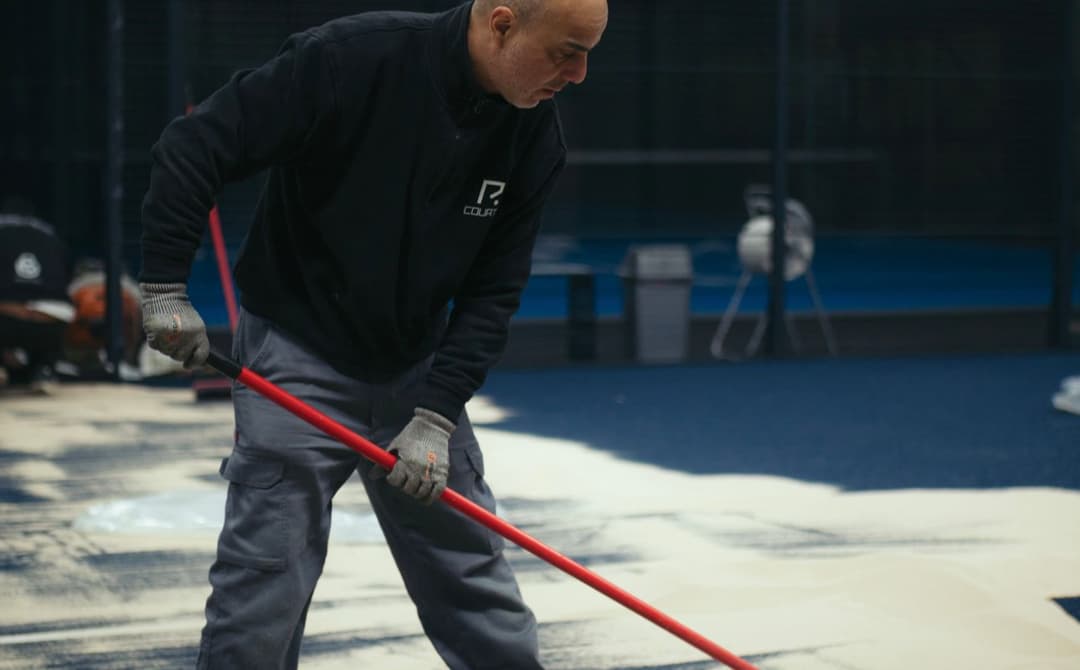
One aspect that often surprises people is that all sports surfaces using artificial turf — whether a football field or a padel court — require sand. Why? For two fundamental reasons: 1. Ballast: the turf is not glued to the ground. It needs weight to prevent displacement while allowing expansion and contraction. 2. Structural consistency: sand helps prevent the fibers from flattening and maintains their vertical position. The best sand is natural silica sand with fine granulometry between 0.4 and 0.8 mm. Over time, manufacturers began developing products specifically for padel: reducing fiber height (from 15 mm to 12 mm), introducing straight monofilament polyethylene fibers, and using automated tufting processes on 4-meter-wide textile bases. The turf was evolving. But the great revolution was yet to come.
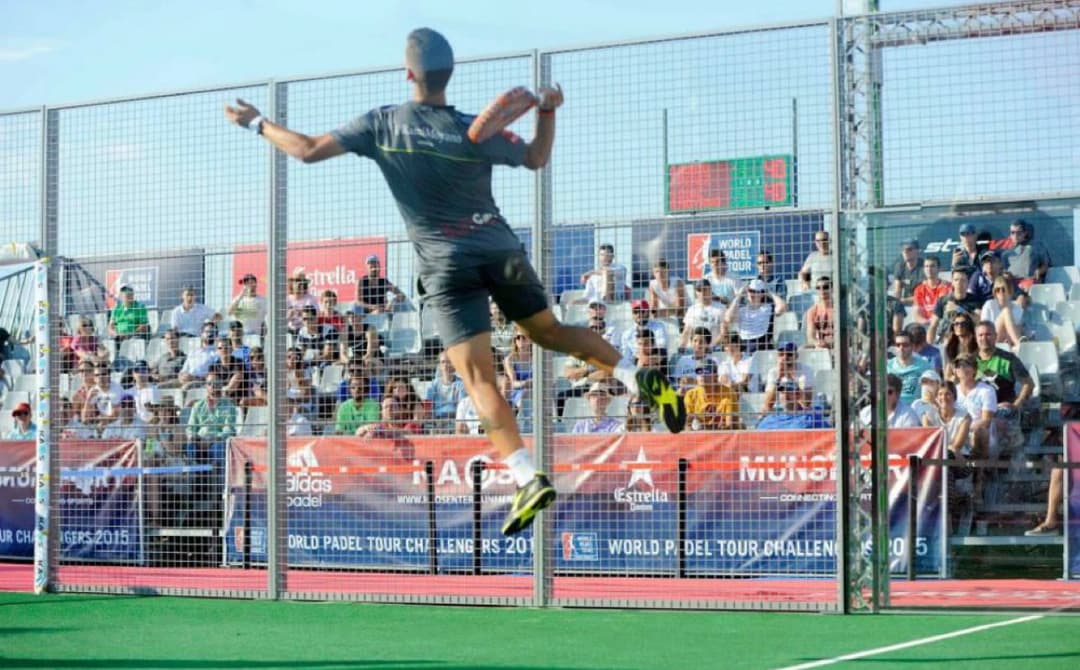
In July 2015, during the World Padel Tour Challenger at La Finca (Pozuelo de Alarcón, Madrid), Padel Tech installed the first court with curly turf specifically designed for padel.
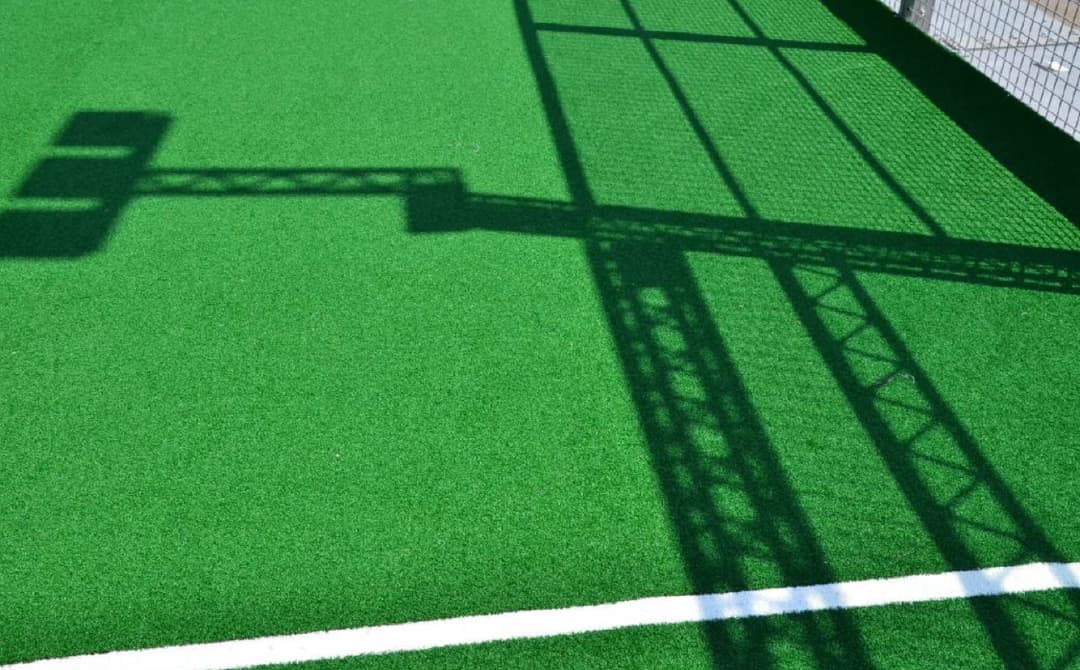
In collaboration with Edel Grass, we adapted field hockey technology — curly turf with high resistance to flattening — reducing the height to 10 mm and integrating padel court line markings.
The objective was clear:
• Reduce the amount of sand.
• Improve aesthetics for television broadcasts.
• Maintain resistance and technical performance.
It was a bold move. Players had never tried it before. But acceptance was total.
From that moment on, padel changed not only in how it looked, but in how it was played. In less than a decade, texturized turf became the global standard. Today, more than 90% of international competitions are played on this surface.
Many new players have never known anything else.
2026: Padel Tech Innovates Again
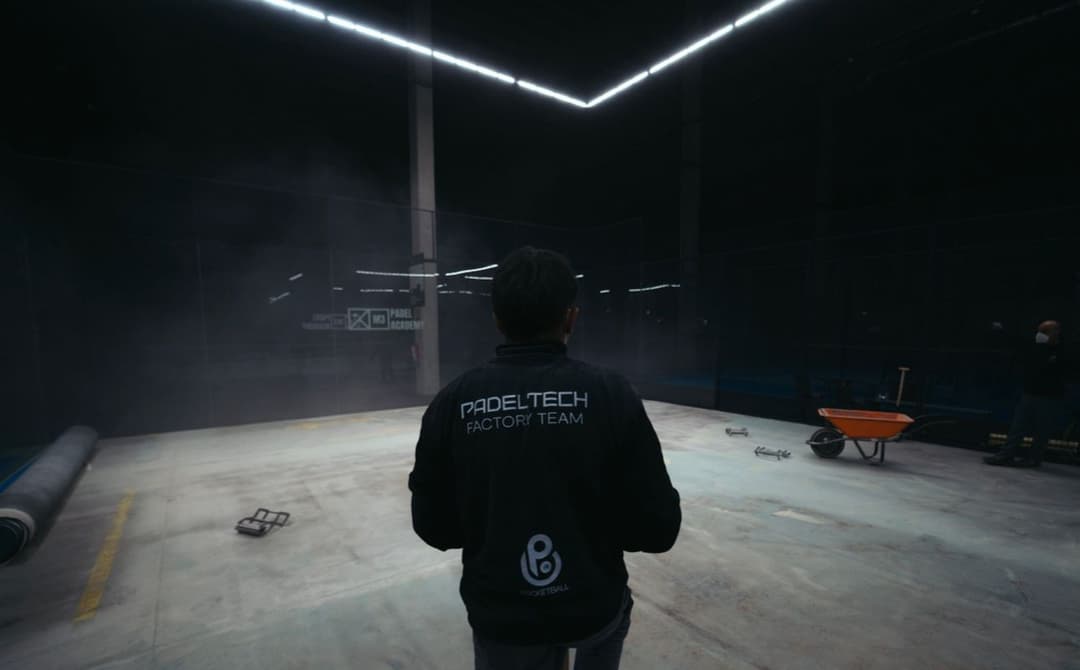
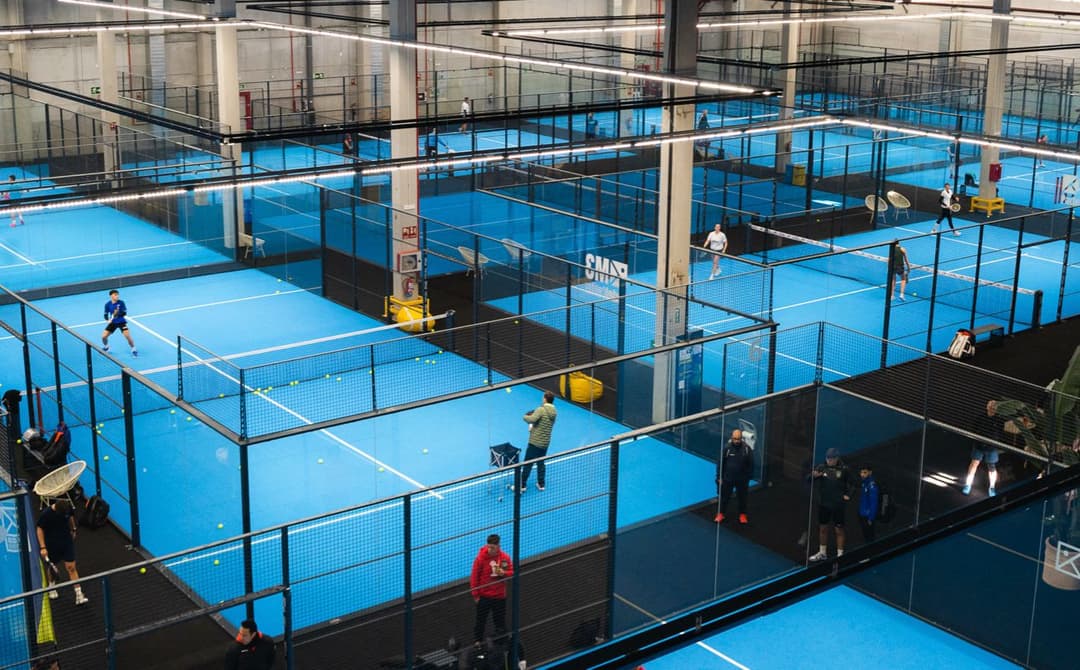
In September 2025, the M3 Academy — a global reference in high-performance training — inaugurated its new headquarters in Leganés with 20 Padel Tech courts. In conversations with its directors, a challenge emerged: was it possible to create a court with a slower ball effect to simulate specific conditions found on the international circuit? In professional terms, we speak of a “fast court” or a “slow court.” But court speed does not depend solely on turf. It is influenced by: • The surface. • Ambient temperature. • Altitude and atmospheric pressure. • The type of ball. In December, we developed a specific solution: • A thin elastic subbase installed between the slab and the turf. • A specially manufactured turf with customized height and fiber structure. • A color adapted to match the academy’s corporate identity. Supplier: Real Turf. Design and technical specifications: Padel Tech. The result exceeded expectations. Acceptance was so high that a second “slow” court had to be installed due to demand, from both professional and amateur players.
Built for the Best: Constant Innovation in the Playing Surface
Padel is growing at a rapid pace. And our responsibility as manufacturers is not only to accompany that growth, but to anticipate it. Research. Develop. Evolve. Many innovations are still to come. At Padel Tech, we will continue working to deliver high-quality surfaces designed for the best players in the world.